

Drożyńska x Zachęta
Organic cotton print
2021
Photos: Maciej Szczęśniak, Ela Szurpicka
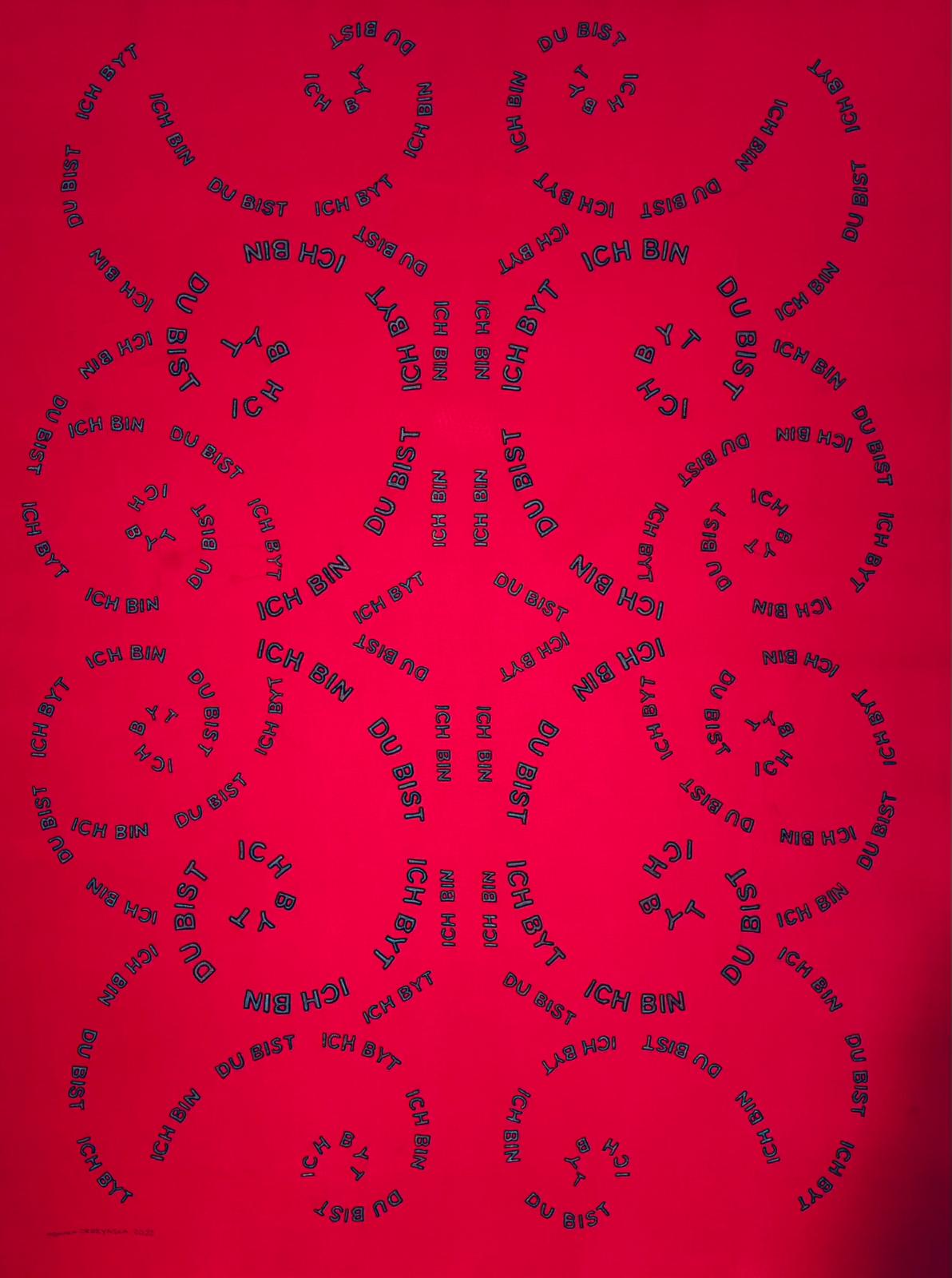
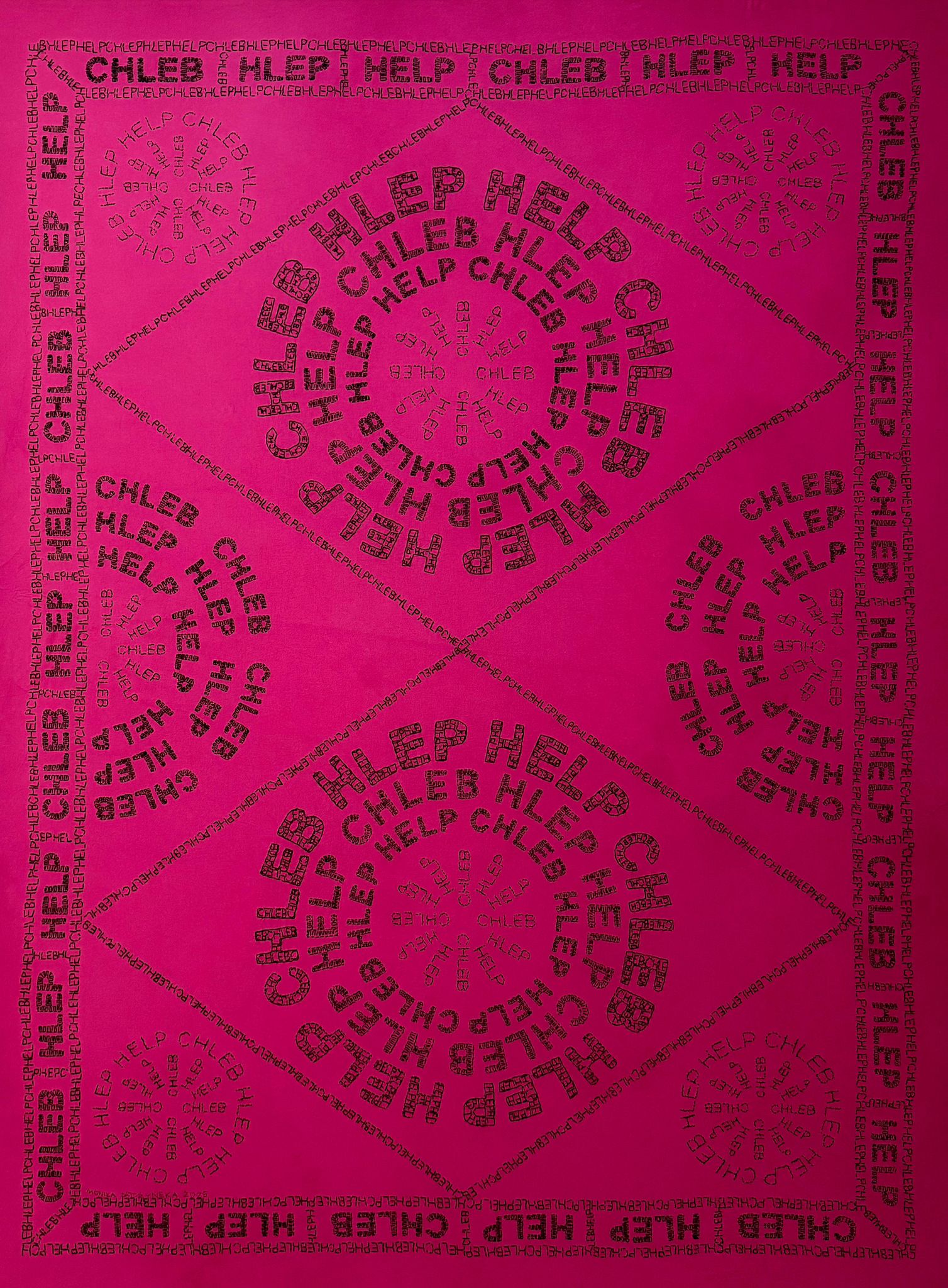
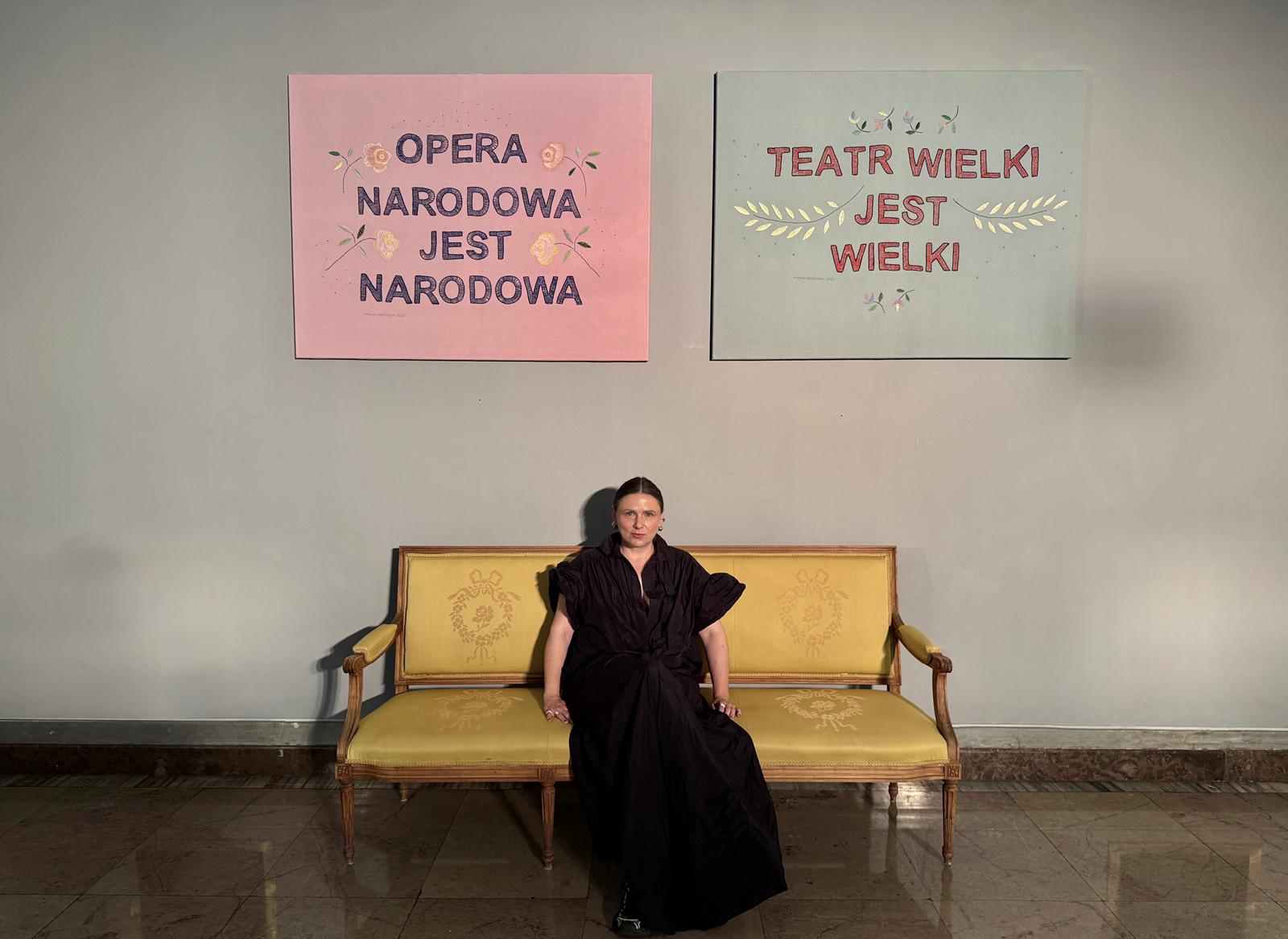
Drożyńska x Zachęta are design objects created by Drożyńska for the Zachęta National Gallery of Art.
They allude to her earlier series, Two – flags, which were raised over the entrances to many cultural institutions in Poland and abroad in 2020 (during Biennale Warszawa, at the Arsenal Gallery in Białystok, the Arsenal Gallery in Poznań, the BWA in Katowice, BWA Zielona Góra, BWA in Tarnów, BWA Bielska Gallery in Bielsko-Biała, BWA Wrocław Główny, Trafostacja Sztuki in Szczecin, Biuro Wystaw in Warsaw, Krakauer Haus in Nuremberg, public spaces in London, Tel Aviv, and Liverpool).
The series has been ongoing since the beginning of the pandemic. The symbol used in the flag is a drawing based on an embroidered fabric that was created during the first lockdown, in spring 2020, in the form of a collection of notes. Embroidering them allowed the artist to work through the time of confinement and the isolated experience of pandemic that people around the world found themselves in.
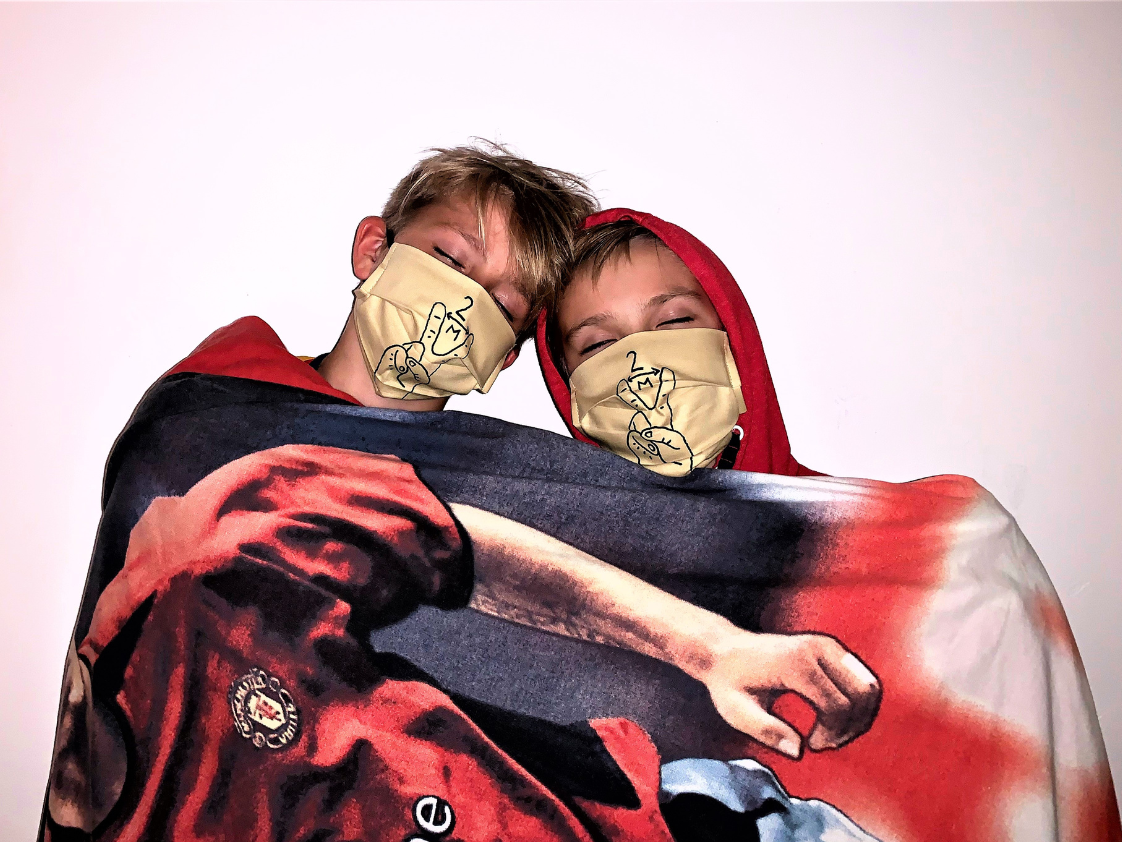
The image features a frequently used, well-known hand gesture, the victory sign (“V for Victory”), and indicates the distance between the fingers. The symbol captures the frustration and helplessness shared by many during the first lockdown. On the one hand, we felt a natural urge to protest; on the other – protesting was virtually impossible. Following the presidential elections in Poland and the preceding election campaign with elements of promoting hate speech, the flags with the V sign took on a new, critical meaning.
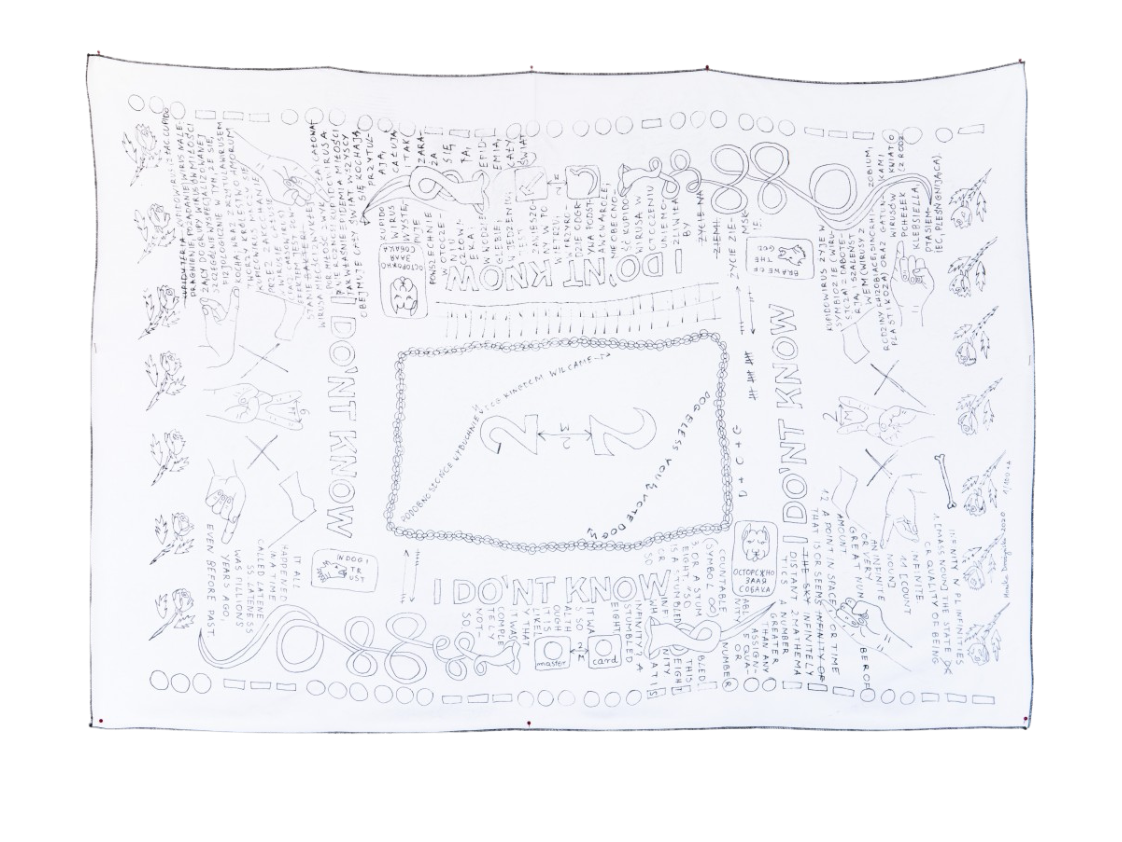
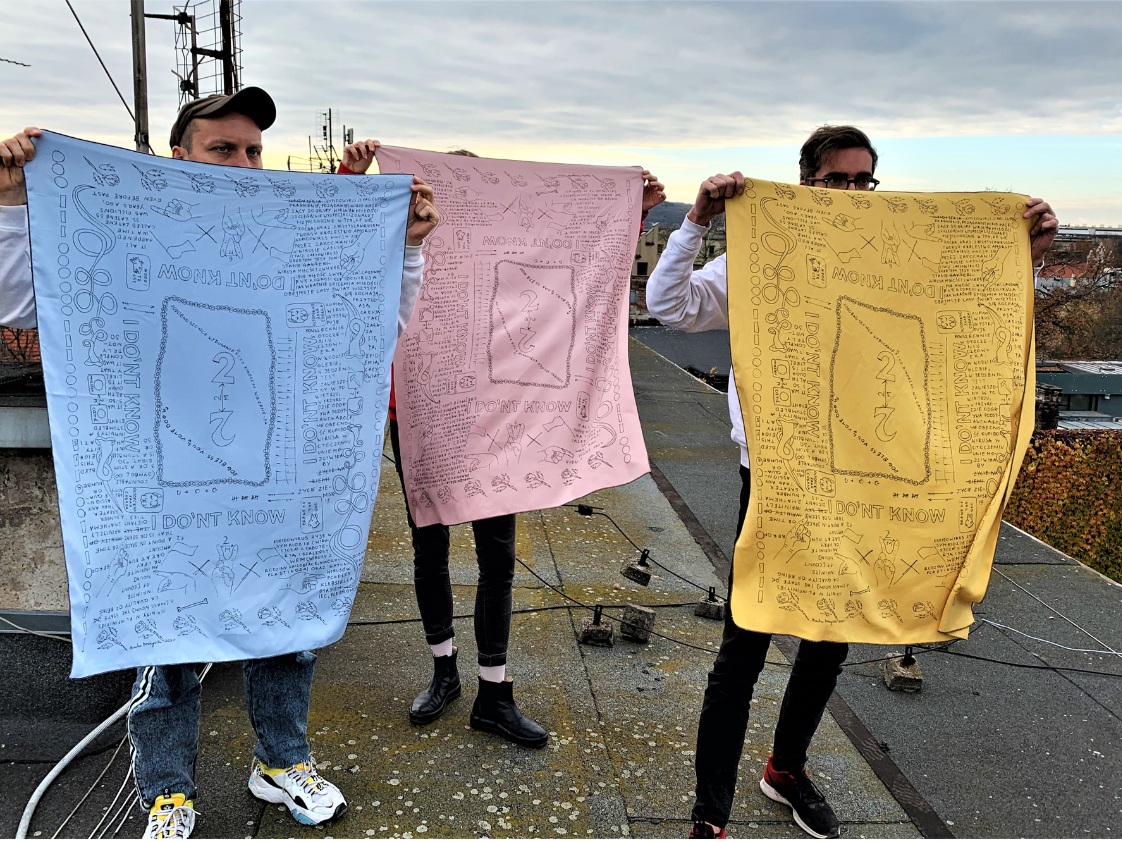
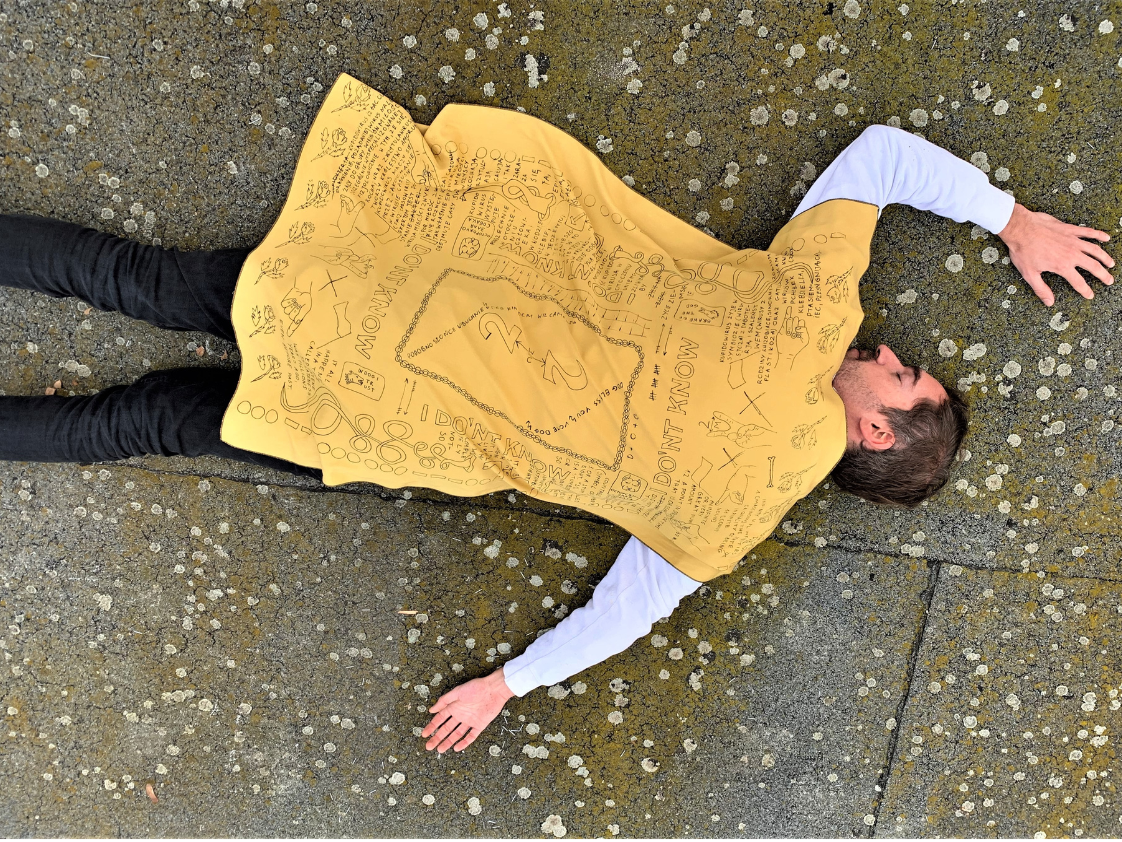
For Zachęta, the artist created a series of masks and scarves. The drawing on the mask refers directly to the drawing on the flag, while the scarf is decorated with a drawing created especially for the project. It tells the story of the number “two” and of cupidoteria – the virus of love. Two does not separate, but unites. It tells the story of a couple who live together. The story of cupidoteria, written by Aleksandra Liczak, can be read on the scarf: “Cupidoteria (from the Latin cupido: desire, longing, especially amorous desire), a virus from the group of love viruses responsible for the fact that one can love; together with cuddleteria it forms the kingdom of amorum. Cupidoteria multiplies through falling in love with kissteria (see: kissing); the result is the virus of ordinary love (see: ordinary love). Kissing spreads cupidoteria, which is how the love epidemic spreads all over the world. Cupidoteria is commonly found in the environment – in water, soil, and food. It is suspended in the air. It plays a key role in nature. The absence of cupidoteria would make life on earth impossible.”